Wachau Valley Day Trip: Discover Melk Abbey and Dürnstein Austria

By |Published On: February 28, 2026 |Categories: Austria, Destination In-Depth, Europe |
After you explore, SHARE using any of these four...
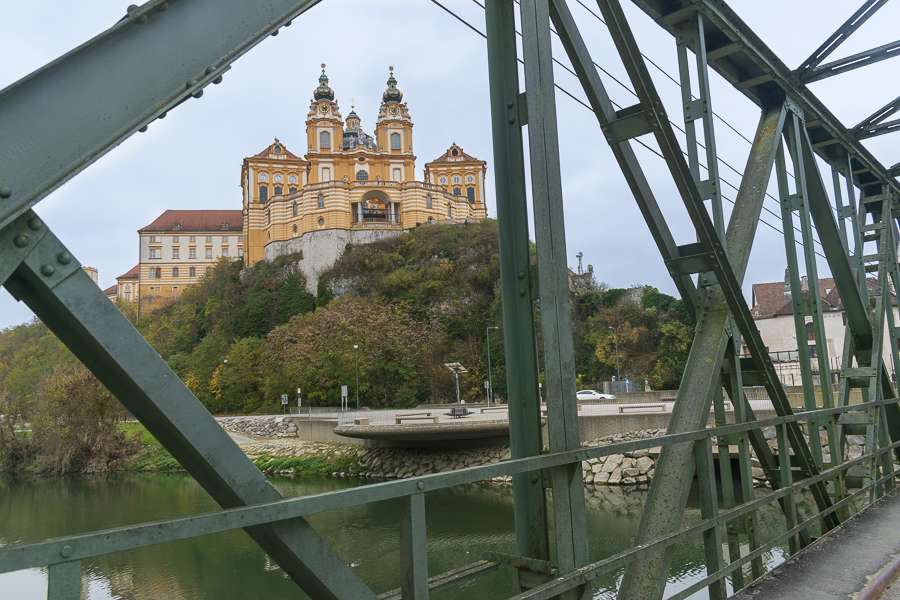
View of Melk Abbey from St. Leopold Bridge, part of Wachau Valley day trip

Melk Abbey from St. Leopold Bridge

Our website uses affiliate links. There is no extra cost when you click through and complete a purchase. However, we receive a small commission that helps fund our ongoing travel blogging effort. For further information, review our disclosures.

Table of Contents

View of blue Tower at Dürnstein Abbey in Wachau Valley

Blue Tower at Dürnstein Abbey

Answering Your Questions About Austria’s Wachau Valley | The Five Ws

What is the Focus of Your Visit?

Attention Vienna travelers… Are you looking to get away from the big city for one day or an overnight trip? Are you seeking the Austrian countryside, natural landscapes, quaint villages, and small towns? Terraced vineyards leading up the hillsides on both sides of the Danube, the ruins of medieval castles, and abbeys reflecting an abundance of Austrian history, architecture, art, and the nation’s enduring Christian faith.

This is Austria’s Wachau Valley, awaiting your arrival by car, train, or boat.

For this Wachau Valley day trip, we focus on three essential stops and provide thorough regional details to help you build your single-day or multi-day itinerary. Our special 5 day Vienna itinerary, includes this day trip to the Wachau Valley.

  • Melk Abbey Tour – The Wachau Valley’s most iconic attraction contains nearly a millennium of history. A major renovation three hundred years ago created the stunning baroque architecture of today.
  • Dürnstein Austria – A small village of under 1,000 people is home to one of the most photographed images in the Wachau Valley: Dürnstein Abbey’s light-blue tower. High above the village stands the ruins of Dürnstein Castle, famously where English King Richard the Lionheart was held prisoner for months.
  • Gasthof Prankl – For lunch, this traditional Austrian restaurant has been family-owned for generations. Excellent food and a charming dining room, with the perfect location: halfway between Krems and Melk, with views of the Hinterhaus Castle ruins behind and, in front, the Danube.

Why You Should Add a Wachau Valley Day Trip to Your Next Vienna Vacation?

Central Europe is filled with amazing cities and cultural hubs, from Vienna to Prague, Munich, Budapest, and Kraków. These incredible cities are among the most popular vacation destinations for international travelers.

Here’s the thing, though: Europe’s grandest cities should be gateways into so much more. One of these unique opportunities is just an hour from Vienna.

A Wachau Valley day trip, or overnight stay, focuses on this 20-25 mile stretch along the Danube. Home to Austria’s most prestigious wine region, equally known for its dry white wine varieties, as it is for terraced vineyards covering steep hills on both sides of the river.

Visitors come to the Wachau Valley for its charming riverside towns and villages, Old Town cobblestone streets, medieval gates, and artisan shopping and dining experiences.

Within the region, most will travel by car or boat East-to-West from Krems to Dürnstein, then to Weißenkirchen and Spitz, and finally to Melk. Along the way, you’ll encounter enduring historical symbols of the Wachau Valley, the ornate abbeys, and scenic castle ruins.

Given the short commute from Vienna, visitors can seamlessly slot in one morning activity, our suggestion: Dürnstein Castle, followed by lunch (we loved Gasthof Prankl) and ending with an afternoon attraction (top attraction: Melk Abbey tour).

We’ll specifically focus this article on these three primary choices. Still, there are plenty of potential add-ons: vineyard tours/wine tastings, museum visits, more treks to castles and abbey tours, and strolling (and shopping) in historic Old Town areas.

Traveling here from Vienna (Vienna hotel stay recommendation) can be a Wachau Valley day trip, an overnight stay, or a stop-off between Vienna and destinations like Salzburg, Austria, or Český Krumlov, Czechia (both just two hours from Melk). And these scheduled Wachau Valley stops can be reached by a mix of cars, trains, and boats, or by incorporating full-day hiking or biking segments.

Baroque Melk Abbey Terrace or "Altane" that connects Marble Hall and the Abbey Library

Melk Abbey Grand Balcony or "Altane" that connects Marble Hall and the Abbey Library

Where are the Key Wachau Valley Attractions: Melk Abbey Tour and Dürnstein Castle?

Located in Northeastern Austria, the Wachau Valley surrounds the Danube River. The largest city, Krems, is also the region’s eastern endpoint, while Melk is approximately 20-25 miles upriver to the southwest. Spitz represents the halfway point between the two endpoints, while the tiny village of Dürnstein Austria stands between Krems and Spitz. If traveling end-to-end without stops, expect a 30-minute drive, but everyone stops, and stops often! Both Krems and Melk are reachable from Vienna, Austria’s capital, in just one hour.

Austria’s B3 highway travels the length of the Wachau Valley on the Danube’s north side, while the B33 runs along the south side. For tourists, most of the popular stops are on the river’s northern side along the B3 highway (Melk being the notable exception). For vehicular traffic, there are bridges crossing the river at both Krems and Melk. Between these access points, multiple pedestrian and automobile ferry crossings offer additional options that are as much about the unique experience and views as about overall convenience for travelers.

Parking for our three focus attractions is relatively straightforward. Melk Abbey has a dedicated parking lot next to the Abbey and offers complimentary parking for ticketed Abbey visitors. Gasthof Prankl has its own parking lot, immediately off the B3 and directly in front of the restaurant and hotel. For visitors to Dürnstein, you will need to park in one of several automated car parks located just outside the city, as vehicle access to the city center is restricted to residents only.

From Vienna, there is direct railway access to both Krems and Melk. Within the region, the Wachau Railway extends from Krems to Emmersdorf (just across the river from Melk). The service operates seasonally from mid-March to mid-November on Fridays, Saturdays, and Sundays, and daily from late April through October. There are 13 distinct stops, providing access throughout the Wachau Valley. Travelers can either reserve a single-journey (one-way) ticket or a day ticket (our recommendation). The day ticket allows riders to hop on and hop off throughout the day, in order to combine sightseeing with the train’s four daily departures running in each direction.

River cruises are a popular way to reach and travel around the Wachau Valley. European cruise companies sailing on the Danube often spend one day in the region, typically choosing Melk or Krems as their port of call. For localized visitors looking for transportation within the region, the DDSG Blue Danube river cruise company operates similarly to the Wachau Railway approach mentioned above. During the high season, they operate four daily round-trips in each direction, with the option to stop at key tourist stops and re-board another boat later the same day. The two companies also offer coordinated rail-and-boat options for visitors.

The Wachau Valley region is most commonly visited as a day trip from Vienna or as a stop during a longer Danube river cruise. Vienna is just one hour from the region, and Austria’s 3rd-largest city is about the same distance away. Popular tourist destinations, including Salzburg, Austria; Český Krumlov, Czechia; and Bratislava, Slovakia, are all within a 2-hour drive of the region. And major European cities Munich, Germany; Prague, Czechia; and Budapest, Hungary are all just 3 ½ hours from the Wachau Valley. If you’re also planning a visit to Budapest, please check out our many great Hungary travel ideas!

Many visitors will arrive in Austria at Vienna International Airport. The airport is one of the largest in Central Europe and a top-20 airport across the continent. Austrian Airlines, the country’s national carrier, uses Vienna as its main hub. German-based Lufthansa now owns the carrier and is also part of the broader Star Alliance group, which includes the U.S.-based carrier, United Airlines. Several American cities offer direct flights to Vienna, including Chicago, Los Angeles, and New York City, though some of these routes may be seasonal. The airport is approximately one hour from the Wachau Valley.

It’s easy to incorporate both Vienna and Austria’s Wachau Valley into a longer vacation across Central Europe. And we have detailed itineraries covering neighboring countries, Hungary and Slovakia. Both destinations can be easily combined with your existing Austrian schedule for a seamless 7-10 day or 2-week trip.

The interactive map below highlights key attractions in the Wachau Valley. Our three top recommendations are highlighted with black labels, while others are displayed in red. For access to attractions within cities/villages, we encourage you to identify the appropriate car parks beforehand to ease any driving anxieties.

Click the map below to open interactive version

Wachau Valley Austria

When is the Best Time to Take This Wachau Valley Day Trip?

There is meaningful seasonality to Wachau Valley tourism. The intra-region river cruise and train transportation options are only available from mid-March/April through October/early-November. And several notable attractions, including Aggstein Castle, Dürnstein Abbey, and Göttweig Abbey, also close during the extended winter period. Even some restaurants, including our featured lunch spot, Gasthof Prankl, may close during the winter months.

Foggy conditions can become a factor during winter, and we experienced these conditions during an early-November visit. Remember that hilltop elevations can reach 2,000+ feet above those in towns along the Danube, and there is even a ski resort in the Jauerling-Wachau Nature Park.

The multi-country river cruises focus journeys primarily during summer, but several do nevertheless offer Christmas-themed cruises in December. A number of the Wachau Valley communities/abbeys hold special Advent/Christmas markets during December as well.

The summer period (June to August) is quite busy, both for land-based traffic and from the river cruises. Crowds will be the highest during July and August, when Austrian students are on summer break. Austrian schools also schedule one-week breaks in October, February, and for Easter week. Our Austria Travel Guide includes a full list of public holidays in Austria, which will be helpful for your trip planning.

The shoulder seasons (April/May and September/October) offer the best times to visit the Wachau Valley. The weather is favorable, all major attractions are open, and the crowds are significantly reduced. In addition, September-October has the annual wine harvest, while October brings peak fall foliage to the surrounding hills. During the Spring months (April-May), apricot trees are at peak bloom, brightening up the region’s hills.

Melk Abbey is open year-round with guided tours offered 2 or 3 times each day. The 50-minute tours start at approximately 11 am and 3 pm, and, if available, the 3rd daily tour starts in the 1:30-2:00 pm time frame. Gasthof Prankl is closed during the winter months. In season, the restaurant is open five days a week, but is closed on Wednesday and Thursday. Hours are from 11:30 am to 8:00 pm.

Castle ruins like Dürnstein Castle and Hinterhaus are accessible every day with free admission. If you plan to visit museums in Krems, be aware that several high-profile museums are regularly closed on Mondays.

In Dürnstein, Austria the eastern gate called Krems Gate or Kremser Tor, must see in Wachau Valley day tour

Dürnstein's eastern gate called Krems Gate or Kremser Tor

Who Should Take a Wachau Valley Day Trip from Vienna?

On the surface, a Wachau Valley day trip would be better suited to adults than to families. However, with a modest shift in focus, the region becomes a highly attractive destination for families and children, as well. While adults might build itineraries focused on museums, abbeys, and wine tastings, families can shift from wine to apricots, target hikes to castle ruins, and board a ferry crossing the Danube.

The Wachau Valley is also incredibly bike-friendly with dedicated cycling paths on both sides of the Danube between Krems and Melk. These routes are part of the EuroVelo 6 route across Europe connecting the Atlantic Ocean to the Black Sea. Numerous bike rental outfits operate in each city, offering road bikes and e-bike alternatives. There are also great bike touring options, including a guide, which can remove typical logistics challenges.

DDSG Blue Danube cruises and the Wachau Railway each offer 10-20% discounts for senior riders, and ~50% discounts for children. At DDSG Blue Danube, children under 9 are free, and on the Wachau Railway, those under 6 ride free. Most longer river cruises target adult and senior customers, rather than families with children. However, certain large cruise brands offer specialty Danube river cruises for families.

The Melk Abbey tour does not offer discounts for seniors, but it offers meaningful discounts for families and children. Students under 27 years old also receive significant discounts. The Abbey’s guided tours are offered in five languages: German, English, French, Spanish, and Italian, with 2-3 guided English tours daily. Most of the Abbey is wheelchair-accessible and senior-friendly. The adjacent Abbey Park may be worth a visit for families with children, though seniors may find walking its gravel footpaths somewhat challenging.

The small village of Dürnstein Austria, is accessible by a short walk from nearby parking lots. The Dürnstein Castle ruins, however, can only be reached by a short but rather steep hike.

Prelate's Courtyard at Melk Abbey in Austria's Wachau Valley

Prelate's Courtyard at Melk Abbey

Wachau Valley Day Trip: Our Personal Experience and All the Details You Need to Know

Austria’s Wachau Valley is just one hour from Vienna.

To repeat, the Wachau Valley is only one hour from Vienna (we have a great 5 day Vienna itinerary that incorporates this Wachau Valley day trip). The Wachau Valley stretches along both banks of the Danube River for 20-25 miles in Northeastern Austria.

The perfect opportunity to travel beyond Central Europe’s largest cities. A Wachau Valley day trip… a two-day overnighter… as a stop-off when traveling between Prague/Munich and Vienna… or en route to Salzburg or Český Krumlov from Vienna. If you’re traveling to Central Europe (Austria, Hungary, Slovakia, Poland), we have you covered with ideas, reviews, logistics, and the most in-depth travel itineraries!

  • Nature – The Danube is the defining feature of the Wachau Valley. The 2nd-longest river in Europe originates in Germany’s Black Forest region and eventually flows into the Black Sea. Within the Wachau Valley, the river is relatively shallow, with depths less than 30 feet, but quite wide, spanning more than one-quarter mile. The walls on each side of the Danube can reach heights of more than 2,000 feet above the river. The Wachau Valley offers substantial outdoor opportunities, particularly for hiking and biking.

  • Wine – Take in one of Austria’s top wine regions where vineyards cover hillsides overlooking the Danube. Nearly half of the acreage is planted in terraces, supported by omnipresent stone walls that guard the steep downslopes. The region’s 100+ wineries are most recognized for dry white wines, including Grüner Veltliner and Riesling varieties.

  • Towns and Villages – The Wachau Valley is known for small towns and villages: Krems, Dürnstein, Weißenkirchen, Spitz, and Melk. The largest has a population of just 25,000, while the smallest has under 1,000. Cobblestone streets, Old Towns, historic gates, churches, museums and galleries, and tasting rooms/taverns serving Wachau Valley wines.

  • Castles – The Wachau Valley hillsides feature prominent castles and castle ruins, most notably Dürnstein Castle, Aggstein Castle, and Hinterhaus Castle. Here, we’ll focus on Dürnstein Castle for its short hike/climb, its amazing history as the prison for King Richard the Lionheart, and excellent views of the Dürnstein Austria village and Danube. Hinterhaus is an easy climb above our lunch choice at Gasthof Prankl. Aggstein is a larger ruin with more meaningful restoration, although is slightly out of the way (located on the southeastern side of the river), and only open seasonally in the Spring, Summer, and Fall.

  • Abbeys – This part of Austria is famous for its abbeys (monasteries). Melk and Göttweig, are both practicing institutions, while Dürnstein Abbey functions as a museum for visitors and church. Melk Abbey is considered an important Austrian symbol, and its building stands as one of the country’s most prominent examples of Baroque architecture. Göttweig is equally spectacular, but slightly away from the Danube, thus producing smaller crowds than Melk.

Narrowing Down Your Plans: A Wachau Valley Day Trip

In the sections that follow, we’ve narrowed down our favorite options, that also fit seamlessly together, to assemble the very best Wachau Valley day trip. Whether arriving from Vienna, stopping for a full day between larger Austrian cities, or en route to Czechia or Germany, these plans should work well with each. And, at the end of this article, we’ll provide numerous add-ons, so that you can extend your visit to multiple days!

  • Morning – Village of Dürnstein Austria, including a climb to Dürnstein Castle
  • Lunch – Traditional Austrian cuisine at Gasthof Prankl, just outside Spitz
  • Afternoon – A Melk Abbey tour
View of Dürnstein Austria from Durnstein Castle ruins

View of Dürnstein Austria from Durnstein Castle ruins

Morning – Dürnstein Austria

Best of Dürnstein Austria

  • King Richard I of England (Richard the Lionheart) was famously held prisoner for several months at Dürnstein Castle

  • For excellent views, extend the Castle hike to reach Starhemberg Lookout Tower

  • In the village, Dürnstein Abbey’s light blue church tower is one of the most photographed images in the Wachau Valley

Dürnstein Austria, is a great place to start a Wachau Valley day trip. Even with fewer than 1,000 residents, this small village captures the essence of the Wachau Valley.

  • A defining historical story – King Richard I of England (Richard the Lionheart) was held captive here for several months in 1192-1193, ultimately released after England paid a ransom of 150,000 silver marks.
  • Painting the scene – The town captures your imagination with medieval elements, from the historic Gate to the wrought-iron guild signs indicating trades hanging above storefronts. It’s surrounded by vineyards, some of which work up the steep hillside, illustrating the terraced concept used throughout the Valley. The steep hill rises above, and the Danube flows behind the vineyards nearby.
  • Iconic attractions – Dürnstein Austria has not one but two defining images: the light-blue church tower of the former Dürnstein Abbey and the stone ruins of Dürnstein Castle, high above the medieval town.
  • Hiking – Village guideposts and maps provide walking tours of the city’s central area, but the best hiking adventure is a rugged, albeit short, climb to the ruins of Dürnstein Castle. More ambitious visitors can add another mile to reach the Starhemberg Lookout Tower for even more elevated views of the Valley.
  • Scenic Viewpoints – Three great options offer the best views: 1) Dürnstein Castle, 2) Starhemberg Lookout Tower, and 3) the Wachau ferry at Dürnstein. You’ll have the village covered from above and while floating on the Danube!

Allocate 4 hours for your Dürnstein Austria visit with 1 ½ hours for the Dürnstein Castle hike and exploring the ruins, 1 ½ hours for walking around the medieval village and surrounding area, and 1 hour to tour the interior of Dürnstein Abbey. Note that this time allotment does not account for a longer hike to the Lookout Tower, a trip on the Wachau ferry, lunch in the village, or winery tours/extended tastings.

Steps to hike to Dürnstein Castle ruins and view of Wachau Valley

View of hike to Dürnstein Castle ruins

Dürnstein Castle

Hiking Details

Reaching Dürnstein Castle ruins requires a ½ mile hike departing from the village of Dürnstein Austria. It’s a relatively steep climb and takes you up approximately 400 feet. We estimate it will take you 30 minutes on the way up and another 15 minutes during the descent.

Assuming you’re arriving from a parking lot on the village’s eastern side, the trailhead begins shortly after passing through Krems Gate. From the village’s main street, there will be a right-hand turnoff that also directs visitors to Kunigunde Church. Don’t worry, there is plenty of signage in German and English (“Burgruine” translates to “castle ruins”).

This short hike is a very small part of the Wachau World Heritage Trail, which connects the towns of the region and follows the Danube. The trail totals 110+ miles and is divided into 14 day-hiking segments. The short ruins hike is part of the 10-mile-long Trail 2 within this system, a segment that connects Dürnstein to Weißenkirchen.

If you want to continue on the hike beyond the ruins, it will be just over one mile more (and 800 feet of additional elevation gain) to reach the Starhemberg Lookout Tower. The 30-foot-tall stone tower has a spiral staircase leading up to a platform with great views of the Danube Valley. We finished our hike at the castle ruins, but continuing on to the Tower will increase the difficulty level with exposed ledges and fixed cables required in some sections.

Need new hiking shoes for this challenging ascent? Before your trip, be sure to check out the huge selection at Backcountry (the brands you already know plus introductions to cool, niche suppliers).

Dürnstein Castle Ruins

Dürnstein Castle was built between 1140 and 1145 by Hadmar I of the noble Kuenring family. The family relocated to the region via Bavaria after being given these lands from the Austrian Babenberg Prince.

The castle became famous in the 12th century for holding King Richard I (Richard the Lionheart) captive. England’s King was recognized for his past military successes and had been traveling back to England from Christian Crusades in the Middle East. Despite Austrian support for the King Richard’s efforts, King Richard did not bestow any of the victory spoils on Austrian leaders. In response, the Babenberg Duke of Austria, Leopold V, ordered the capture of Richard the Lionheart when he passed through Austrian territory.

Hadmar II kept Richard the Lionheart imprisoned at Dürnstein Castle from December 1192 to March 1193. Eventually, his release was negotiated with the Holy Roman Emperor for a ransom of 150,000 silver marks ($75-100 million at today’s silver prices), with two-thirds going to the Kuenring family. This was an unprecedented sum of money during medieval times. During future centuries, the Kuenrings would deploy a significant portion of these proceeds on the expansion/renovation of the castle and village.

Swedish Empire troops later destroyed the castle in the mid-1600s during the Thirty Years’ War. Visitors today can see a scale model of the village and former castle inside Dürnstein Abbey.

At the castle ruins site, visitors can walk around the castle’s stone outline and envision what the site might have looked like centuries ago. Regardless of the ruins’ condition, the hike is worth it for the excellent views and its historical significance. Allocating 45 minutes to hike up (and down) leaves 45 minutes for you to explore the ruins itself.

View of Dürnstein with Kunigunde Church and Dürnstein Castle ruins on hill

View of Dürnstein with Kunigunde Church and Dürnstein Castle ruins on hill

Hauptstraße, quaint main street in Dürnstein Austria, part of Wachau Valley day trip

Hauptstraße, quaint main street in Dürnstein Austria

Charner House and Cemetery in Dürnstein Austria in Wachau Valley

Charner House and Cemetery in Dürnstein

Village of Dürnstein Austria

After returning from the hike, spend the next 1-2 hours exploring the village. The village will have plenty of maps and signs to guide your walk, but it’s fairly straightforward. There will be one main street and then one notable offshoot where you can turn left to head to the Abbey and down towards the Danube (this turnoff is very close to the right-hand turn where you began the castle ruins hike).

Along the way, there will be several not-miss stops. When entering the city, you passed through Krems Gate, the village’s eastern city gate tower built in the 15th century. Here, you can still see the old gatekeeper’s house next door, and portions of the protective wall remain. Today, you will find several wine taverns near this entrance, ideal for a mid-morning tasting.

Kunigunde Church looms on the right after passing through the Gate. It is the oldest chuch in Dürnstein, and while much has been destroyed since its 13th-century construction, the Tower remains standing. Visitors to the church’s original site will find a historic cemetery and the Charner House.

On the city’s main street, keen observers will find well-preserved wrought iron signs hanging on many of the buildings. These signs date back to the Middle Ages and represent the various trade shops that originally operated on Main Street. Today, the street contains a variety of souvenir shops, boutiques, craft/artisan shops, restaurants, wine stores, and other retailers. You’ll also find Dürnstein’s historic Town Hall, which dates back to the 1500s.

Dürnstein Abbey

While Dürnstein Castle is the city’s most famous landmark, its most photographed image is the signature light-blue Tower of Dürnstein Abbey. The Abbey was originally built in 1372 for a different purpose, but the monastery was founded here in 1410. Substantial renovations to the building occurred in the late-1600s to early-1700s, when the property took on the Baroque architectural style tourists see today. While the Abbey’s monastery operations were discontinued in 1788, the Abbey has evolved and now represents two local Catholic parish communities, an elementary school, apartments, and an event space.

Visitors can tour the Abbey daily between April and October, with an audio guide available in five languages. For those visiting outside of the extended summer season, the light blue Tower is visible from a variety of vantage points throughout the village, but the best tower views are reserved for those taking the tour and standing on the Abbey’s Danube Terrace. The tour should take approximately one hour.

Gasthof Prankl in Spitz, Austria, part of Wachau Valley day trip

Gasthof Prankl in Spitz, part of Wachau Valley day trip

Lunch – Gasthof Prankl

Best of Gasthof Prankl

  • At Gasthof Prankl, dine inside/outside the Old Shipmaster’s House, originally built in the 14th or 15th century

  • The restaurant/inn has been in the family for eight generations and serves excellent, traditional Austrian cuisine

  • Take a 10-20 minute hike to the Hinterhaus Castle ruins located just behind the Gasthof Prankl restaurant

Located just on the western side of Spitz, Gasthof Prankl provides the perfect lunch stop for travelers en route from Krems/Dürnstein to Melk Abbey. Take note, the restaurant is closed Wednesdays and Thursdays, and during the winter months. Gasthof Prankl opens for lunch at 11:30 am.

  • Family-Run – The restaurant and adjoining hotel have been family-run for eight generations and in operation since the 1840s.
  • Traditional Austrian Food – We dined on traditional Austrian cuisine: pork schnitzel and the house schnitzel with chicken, both served with parsley potatoes and cranberries. Exactly what we were here for.
  • Dining Extras – Our lunch was served with a round loaf of bread and three small plates of diverse traditional accompaniments. The menu leans heavily on locally sourced ingredients: wine, cheese, fish, and seasonal fruits/vegetables. The desserts are straight from Wachau Valley orchards, featuring apricot jam with homemade pancakes and apricot tiramisu.
  • Dining Room Atmosphere – The building is an Old Shipmaster’s House and has been operated as an Inn since the 17th century. The interior dining room is charming and comfortable, and outside tables are available both on the back porch and in front of the restaurant.
  • Surrounding Area – Behind the restaurant and just up the hill, stands Hinterhaus Castle. The ruins are visible from the Gasthof Prankl parking lot and from the restaurant’s back porch tables. After lunch, you can make the 10-20 minute walk up to the castle ruins. Hinterhaus was first built in the early-mid 1200s with multiple construction phases extending over the three centuries.

Certainly, the Wachau Valley offers plenty of restaurant options. Still, the combination of Gasthof Prankl’s convenient location, attractive dining room, building exterior, and surroundings, being family-run for generations, and excellent, traditional Austrian food makes this an ideal lunch choice for tourists traveling through the region.

Austrian cuisine at Gasthof Prankl, restaurant in Wachau Valley

Austrian cuisine at Gasthof Prankl

Interior of Gasthof Prankl, restaurant in Wachau Valley of Spitz, Austria

Interior of Gasthof Prankl

Afternoon – Melk Abbey Tour

Best of Melk Abbey

  • Learn the history of the building and its stunning Baroque architecture, and recognize the monks’ focus on prayer, work, and reading

  • Interior highlights during a Melk Abbey tour include Marble Hall, the Melk Abbey Library, and the Abbey Church

  • Discover the Abbey’s three best exterior views from St. Leopold’s Bridge, the Northern Bastion, and the Grand Balcony

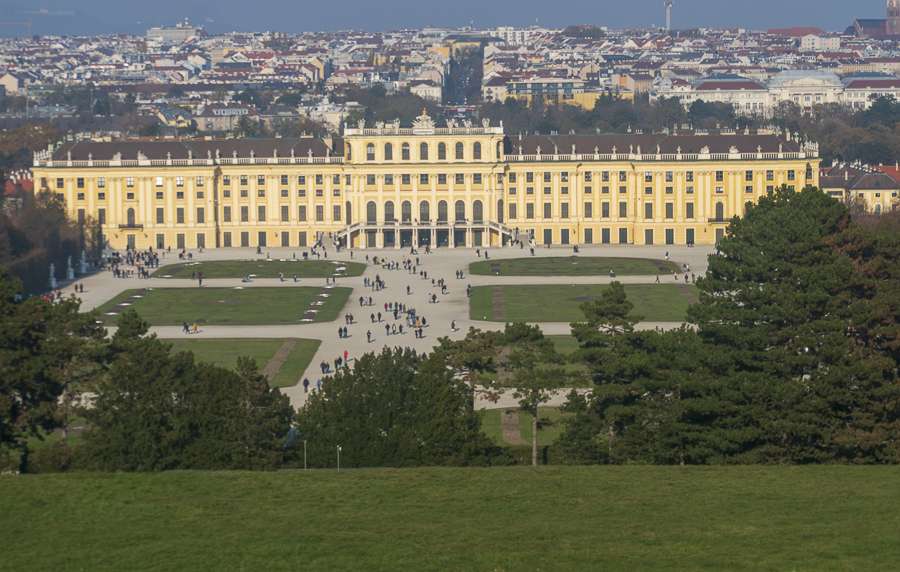
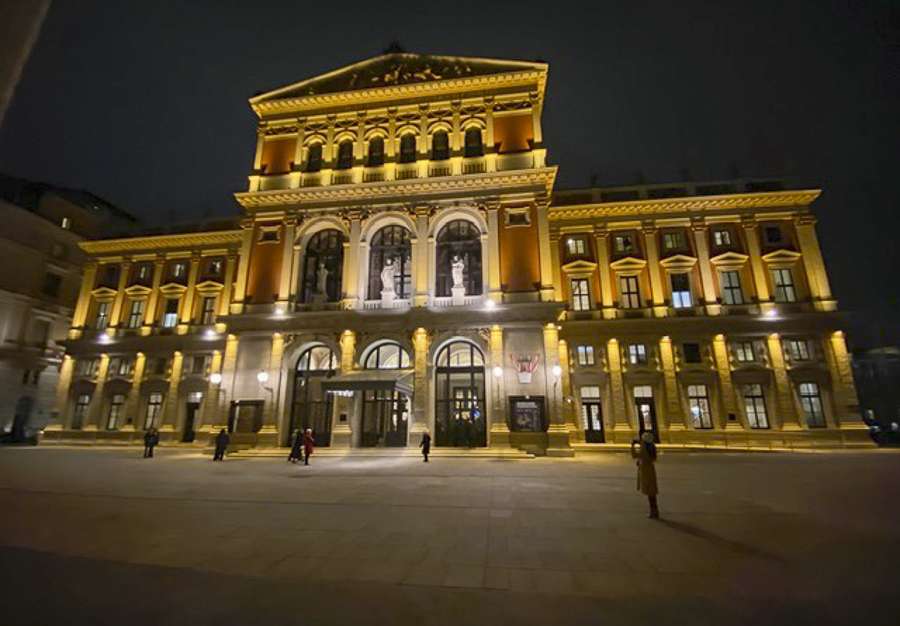
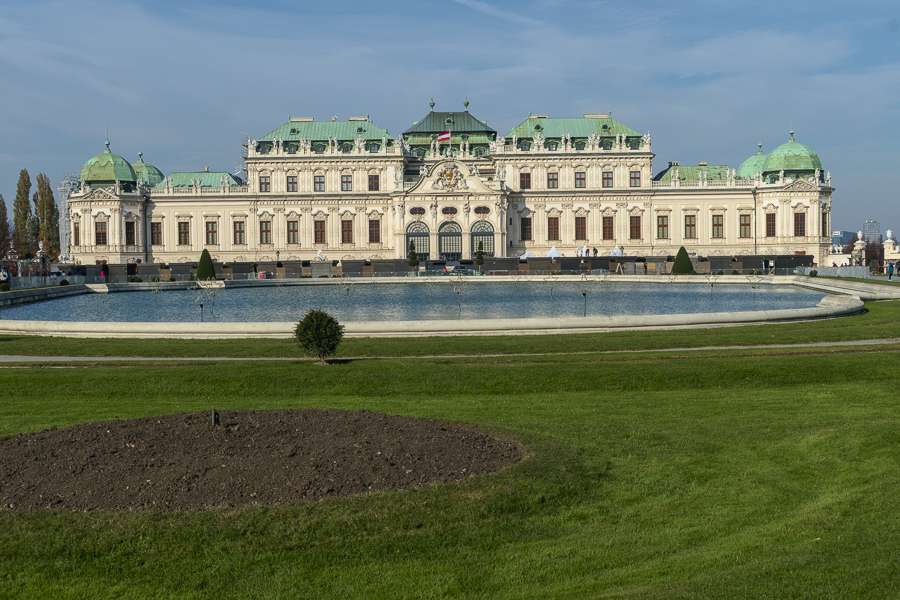
For visitors, a Melk Abbey tour is the most popular attraction in the Wachau Valley. Long revered among Austrians, the Abbey’s Baroque architecture is considered one of the most prominent examples in Central Europe. If you’re visiting Vienna before/after your time in Melk, be sure to check out our in-depth article covering Vienna music tourism, as well as Vienna’s major Imperial Castles – Schönbrunn, Hofburg, and Belvedere. A great cultural complement to your Melk Abbey visit!

History and Mission

Melk Abbey has been the home of the Benedictine Order since March 1089, when Leopold II of Babenberg (pre-Habsburgs) offered Melk to the first abbot, Siegfried, and his monks. Melk Abbey survived plagues, fires, the Protestant Reformation, wars with the Ottoman Empire, Austrian leaders who didn’t fully support the Order’s spirituality, the Napoleonic Wars, and both World Wars.

Numerous members of the Babenberg family have been buried at Melk Abbey, including Leopold II. Similarly, many leaders of the monastery have also been buried here, with the Order’s first abbot, Siegfried, being the most notable. Saint Coloman, Melk Abbey’s Patron Saint, is similarly buried and memorialized at the Abbey’s church. Coloman was captured during a pilgrimage, identified as a spy, and hanged accordingly. The tree utilized to hang Coloman, ultimately bloomed with new leaves, an activity considered an indication of sainthood.

The Benedictine Order follows the way of life determined by Saint Benedict from the 6th century, and there are hundreds of similarly independent Benedictine monasteries worldwide. The focus remains on prayer, work/service, and reading/education. Today, Melk Abbey’s monks teach at the onsite school or in the broader community, prisons/hospitals, or work with refugees. The Abbey remains affiliated with the Catholic Church, and 22 monks currently live and work at Melk.

Main facade of Melk Abbey tour in Wachau Valley

Main facade of Melk Abbey

Melk Abbey Tour and Surroundings

Melk Abbey offers daily guided tours in multiple languages. English language tours are offered 2 or 3 times per day at approximately 11 am and 3 pm year-round, with a 1:30-2:00 pm tour time also offered during most months. The tour of the Abbey’s interior lasts for 50 minutes, and at its completion, you can freely explore the grounds, gardens, and other buildings. In total, allow 2 ½ to 3 hours for your visit, which should provide enough time to fully explore the grounds and see more of the town’s historic areas, including Town Hall Square, just outside the Abbey parking lot entrance.

The tour starts with a meet-up in Prelate’s Courtyard, a large open-air area with a fountain as its centerpiece, and surrounded by four buildings. After exiting the Courtyard and entering the building, photography is not permitted throughout the tour’s interior. The only exception is when you briefly step outside onto the abbey balcony.

The tour enters the building with an immediate climb up the Imperial Staircase, which is adorned with limestone columns, stucco decoration, and statues. The staircase is followed by a long walk down the 600+ feet long Imperial Corridor. The walls are a walking tribute to Austrian royalty, with paintings covering the Babenbergs and the Habsburgs.

The aptly named Marble Hall is a large room with elaborate ceiling frescoes and door frames and walls adorned with marble. From Marble Hall, visitors will step out onto Melk Abbey’s Grand Balcony, which connects Marble Hall to the Melk Abbey Library. This is a sneaky-good spot for Melk Abbey views, both up close of the Abbey’s exterior and of the surrounding area. Plus, you’re outside, so they’ll let you take photographs!

After a few minutes on the Grand Balcony, you’ll move into the massive multi-floor Library. While visitors can only (yes, I said only) see 16,000 books within the main room, the entire collection contains 130,000+ books and manuscripts. A renovation is currently underway, but visitors will continue to have access to see the ceiling frescoes and balconies above. It’s quite an impressive sight, and a long-term center for learning and education.

The guided tour wraps up at the Abbey Church. Here you’ll have the opportunity to see the ornate church and its large dome, which is 200+ feet high and adorned throughout with gold leaf, marble, and various shades of orange, green, and gold.

Either before/after your tour, you should allocate time for a visit to the Northern Bastion, which is the first building you’ll pass on the way from the parking lot to the Abbey entrance. From the Northern Bastion’s Terrace Level, you will have unique views of the property that you won’t capture anywhere else. You can see the Abbey’s back and its longest side, the pavilion, and the large collection of gardens on the property. Definitely, don’t miss out on these views!

One final photography tip. Alongside Highway B33 and just below the Abbey, visitors will find a viewing platform with great views of the Abbey above. But even better than this are opportunities to leverage the nearby St. Leopold Bridge for more artistic photography (we’ve included several images from the bridge within this article).

Baroque garden pavilion, part of the Melk Abbey Tour and Wachau Valley day trip

Baroque Garden Pavilion, part of the Melk Abbey Tour

Bonus Ideas for the Wachau Valley

  • Wine Tourism – Visit local vineyards and take part in wine tastings/cellar tours. The region’s signature terraced vineyards are a defining attribute of the Wachau Valley’s wine industry. Focus on dry white wines during your visit, particularly Grüner Veltliner and Riesling.

    In the city of Krems, travelers can experience Heuriger culture, where family-run wine taverns offer small dishes to complement wine tastings. These establishments are often only open on select dates throughout the year. Use this Krem guide as a reference for their opening schedules.

  • Krems Art Museum Mile and Old Town – Krems is the cultural capital and largest city in the Wachau Valley. The city has an unusually high concentration of museums for its size. Four of the most prominent museums along Krems’ “Art Mile” are the Lower Austrian State Gallery (Austrian art), Kunsthalle Krems (international art), Cartoon Museum Krems (cartoons and satirical art), and Forum Frohner (artistic works by Adolf Frohner).

    During your time in Krems, visit Piarist Church, the city’s oldest church and sister church to Vienna’s St. Stephen’s Cathedral; Steiner Tor, a former city gate dating back to the 15th century; and shopping and restaurants within Old Town Krems.

  • Göttweig Abbey – Göttweig Abbey compares favorably with Melk, and visitors can certainly choose it as an alternative to Melk Abbey, or opt to visit both Abbeys. There are many similarities between the two; both were founded in the 11th century, underwent 18th-century Baroque redesigns, and remain active Benedictine monasteries. Göttweig Abbey is located across the Danube from Krems, and audio-guided tours are available seasonally.

  • Jauerling-Wachau Nature Park – The nature park contains the highest elevations along the Danube, more than 2,000 feet above the river. Located between Spitz and Melk, the park offers a range of outdoor activities with hiking and mountain biking among the most popular (there is also a downhill ski resort within its boundaries).

  • Aggstein Castle – Aggstein is the largest and best-preserved castle ruin site in the Wachau Valley. Built in the 12th century, the castle’s footprint stands on a rocky outcropping nearly 1,000 feet above the Danube. Like both Hinterhaus and Dürnstein, Aggstein Castle was built by the Kuenring royal family. In contrast with the other two, Aggstein charges an admission fee (albeit modest) and opens seasonally from late-March through October, with defined daily operating hours.

Pre-Travel Checklist

You’re itching to plan that next trip, selecting experiences, tickets, tours, transportation, & hotels… but you should also keep a pre-trip checklist with key considerations. Make your vacation safer and more secure, help overcome logistical challenges, and provide travel diversions between destinations. Don’t forget!

  • Travel Insurance | Faye – Insurance for emergency healthcare, trip cancellation, lost/damaged luggage, rental cars, and adventure sports
  • Digital SIM Card | Airalo – Eliminate the need for physical SIM cards and avoid exorbitant international data plans offered by your existing cellular provider
  • VPN Access | NordVPN – When traveling, add this supplemental layer of security to your public Wi-Fi (i.e.-hotel) usage
  • Audiobooks | Libro – When driving/flying long distances, listening to an audiobook is the perfect distraction (added bonus: a portion of each purchase goes to your local bookstore)

Related Posts

Leave A Comment

Welcome.

We’re Brent and Missy.

Brent and Missy holding their paddles after finishing kayaking in NC

Planning a vacation requires hours of research.

Which destinations are worth visiting? What should you see? What can you skip? Where should you stay? How do you fit it all into one trip?

WE GET IT.

That’s why we study the details, share what we’ve learned, and help you discover the experiences that make a destination special.

Less searching… Better planning… More time enjoying the trip.

5311 1107359
17628 1513819

Popular Posts

creativeref:1110l3642

Social Media

cshow

Recent Posts

cshow
cshow